
Breast Cancer Screening: When Should You Get Screened and Which Test Is Right for You?
Updated On :-
October 2, 2026
Breast Cancer Screening: Why Early Detection Matters
Breast cancer is one of the most common cancers affecting women worldwide. While breast cancer can occur at any age, the risk generally increases with age. The good news is that breast cancer can often be detected before it causes noticeable symptoms through appropriate screening.
Breast cancer screening refers to tests performed to look for breast cancer in people who may not have any symptoms. Screening is different from diagnostic testing, which is performed when a woman has a breast lump, nipple discharge, skin changes, or another concerning symptom.
Early detection can provide more treatment options and may allow cancer to be treated at an earlier stage. However, the appropriate screening approach is not identical for every woman. Age, family history, genetic risk, previous breast conditions, breast density and other individual factors can influence when and how screening should be performed.
At Elite Hemat Onco Care Centre, breast cancer evaluation is approached with an emphasis on early detection, appropriate investigations and personalised treatment planning.
What Is Breast Cancer Screening?
Breast cancer screening means checking for breast cancer before symptoms develop.
The most commonly used screening test is mammography, an X-ray examination of the breast. Depending on a woman's age and individual risk, a doctor may also recommend clinical breast examination, additional imaging or genetic counselling.
It is important to understand that screening does not guarantee that every breast cancer will be detected. Different tests have different strengths and limitations, which is why screening should be planned according to individual risk.
When Should Breast Cancer Screening Begin?
There is no single screening schedule that applies to every woman.
For women at average risk, mammography is generally the principal screening test, with the starting age and frequency depending on the guideline being followed and an individual's circumstances.
For women with a higher-than-average risk, screening may need to begin earlier and may include additional tests such as breast MRI.
Women who have a strong family history of breast or ovarian cancer, a known inherited mutation such as BRCA1 or BRCA2, previous chest radiation at a young age, or certain other risk factors should discuss their screening plan with a healthcare professional rather than relying solely on an average-risk screening schedule.
The important question is not simply “At what age should I get a mammogram?” but “What is my individual breast cancer risk, and what screening strategy is appropriate for me?”
Mammography: The Main Screening Test
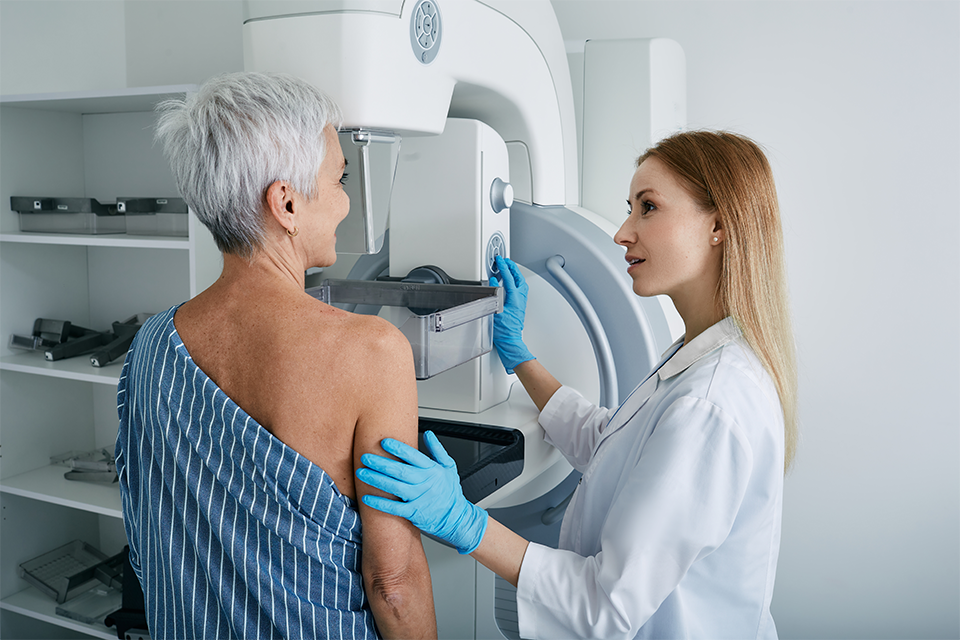
A mammogram uses low-dose X-rays to create images of the breast. It can detect certain abnormalities, including masses and microcalcifications, sometimes before they can be felt during a physical examination.
Modern mammography may be performed using digital mammography, and in some settings digital breast tomosynthesis (3D mammography) may also be available.
A mammogram can be particularly valuable because breast cancer may be present even when there is:
- No breast lump
- No breast pain
- No nipple discharge
- No visible change in the breast
This is why waiting for symptoms before seeking evaluation is not an appropriate substitute for screening in women for whom screening is recommended.
Is a Mammogram Painful?
During mammography, the breast is briefly compressed between two plates to obtain clear images while using an appropriate radiation dose.
Some women experience pressure or temporary discomfort during the procedure. The discomfort generally lasts only for the duration of the compression.
If you are concerned about discomfort, inform the mammography technician before the examination.
What About Breast Ultrasound?
Breast ultrasound uses sound waves rather than radiation to examine breast tissue.
Ultrasound can be particularly useful for evaluating a breast lump or an abnormality detected on mammography. It can also help distinguish between certain solid and fluid-filled lesions.
However, ultrasound is not automatically a replacement for mammography for routine breast cancer screening.
Its role depends on the woman's age, breast characteristics, symptoms and individual risk.
In women with dense breasts, a doctor may sometimes recommend additional imaging after considering the mammogram and the individual's overall risk.
What Is the Role of Breast MRI?
Breast MRI uses magnetic fields and contrast material to produce detailed images of the breasts.
MRI is not routinely required for every woman undergoing breast cancer screening. It is generally considered for women who have a substantially increased risk of breast cancer, often alongside mammography.
For example, women with certain inherited genetic mutations or particular high-risk histories may benefit from an MRI-based screening strategy.
Because MRI can detect findings that may not represent cancer, it can also result in additional investigations. Therefore, it should be used when there is a clear clinical reason.
Can Breast Self-Examination Detect Breast Cancer?
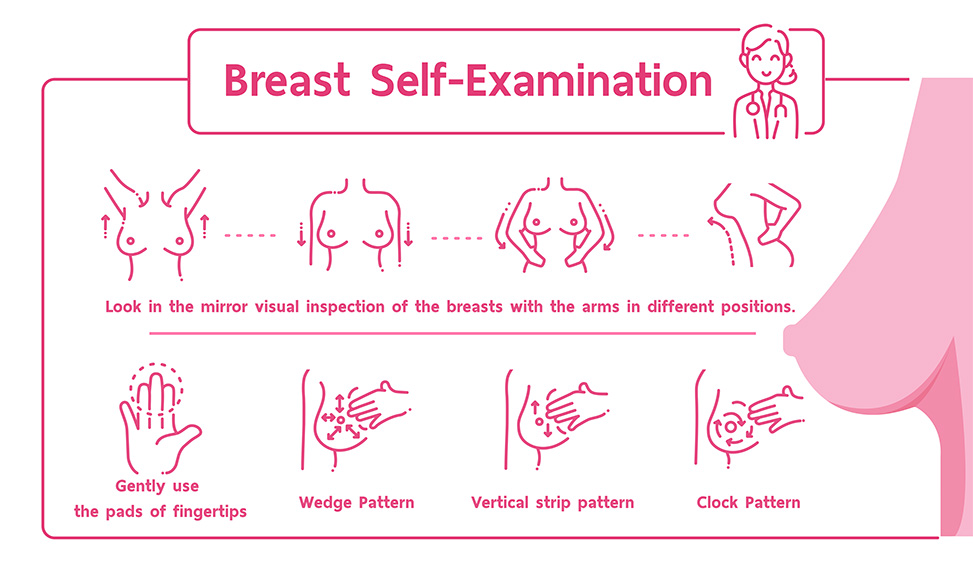
Being familiar with how your breasts normally look and feel can help you notice changes.
However, breast self-examination should not be considered a replacement for recommended screening mammography.
Women should be aware of changes such as:
- A new lump or thickening in the breast
- A lump in the armpit
- Change in breast size or shape
- New nipple inversion
- Nipple discharge, particularly if bloody
- Changes in the skin, such as dimpling or an orange-peel appearance
- Persistent changes around the nipple
- Unexplained persistent breast changes
Not every breast change is cancer. Many breast conditions are benign. However, a new or persistent change should be assessed by a healthcare professional.
Screening vs Diagnostic Testing: What Is the Difference?
This distinction is extremely important.
Screening
Screening is performed when a person does not have symptoms.
For example, a woman of an appropriate age and risk category may undergo a screening mammogram even though she feels completely healthy.
Diagnostic evaluation
Diagnostic testing is performed when there is a symptom or abnormal screening result.
For example, if a woman discovers a new lump, she may require diagnostic mammography, ultrasound and, when indicated, a biopsy.
Therefore, if you have a breast lump or another concerning symptom, do not wait for your next routine screening appointment. Seek medical evaluation.
Who May Need Earlier or More Intensive Screening?
Some women have a higher risk of developing breast cancer than the general population.
Factors that may increase risk include:
- Strong family history of breast or ovarian cancer
- Certain inherited genetic mutations
- Previous chest radiation at a young age
- Previous breast cancer
- Certain high-risk breast lesions
- Some reproductive and hormonal factors
- Increasing age
A personalised risk assessment can help determine whether standard screening is sufficient or whether additional surveillance is appropriate.
For women with a significant family history, genetic counselling and genetic testing may also be considered when clinically appropriate.
What If You Have Dense Breasts?
Breast density refers to the relative amount of fibroglandular tissue compared with fatty tissue seen on a mammogram.
Dense breast tissue can make some abnormalities more difficult to identify on mammography. It is also associated with an increased risk of breast cancer.
However, having dense breasts does not automatically mean that you need every available imaging test.
Your doctor may consider your breast density together with your age, family history and overall risk before deciding whether additional imaging is appropriate.
Can Breast Cancer Be Prevented Through Screening?
Screening does not prevent breast cancer from developing.
Its purpose is to detect cancer earlier.
Breast cancer risk can also be influenced by factors such as maintaining a healthy body weight, regular physical activity, limiting alcohol consumption, avoiding tobacco and discussing appropriate reproductive or hormonal factors with a healthcare professional.
For women at particularly high genetic or clinical risk, additional risk-reduction strategies may sometimes be discussed.
Why You Should Not Wait for Symptoms
One of the biggest misconceptions about breast cancer is that a woman will always feel a lump if cancer is present.
This is not necessarily true.
Early breast cancer may produce no noticeable symptoms. Screening is designed to identify suspicious changes before they become clinically apparent.
That is why appropriate screening becomes particularly important as women get older or when additional risk factors are present.
Breast Cancer Screening in Surat
Women living in Surat and South Gujarat have access to several diagnostic facilities for breast imaging and cancer evaluation.
If you are unsure whether you need a mammogram, ultrasound, MRI or another investigation, it is better to discuss your individual risk rather than choosing a test yourself.
At Elite Hemat Onco Care Centre, women can receive guidance regarding breast cancer evaluation, risk assessment and further oncology care when required.
Dr. Kaushal B. Patel, Senior Medical Oncologist in Surat, provides comprehensive cancer care with an emphasis on personalised treatment planning.
Frequently Asked Questions About Breast Cancer Screening
1. At what age should I start breast cancer screening?
The appropriate age depends on your individual risk and the screening guideline being followed. Women at average risk generally begin mammographic screening in midlife, while women at increased risk may need to begin earlier.
2. Is mammography enough to detect breast cancer?
Mammography is the primary screening test for many women, but no screening test detects every cancer. Depending on individual risk and breast characteristics, additional imaging may sometimes be appropriate.
3. Is breast ultrasound better than mammography?
They serve different purposes. Ultrasound can be useful for evaluating specific breast findings and may complement mammography in selected situations. It is not generally a universal replacement for mammographic screening.
4. Do younger women need breast cancer screening?
Younger women are not routinely screened in the same way as older women at average risk. However, women with significant genetic or familial risk may require an earlier and more intensive screening strategy.
5. Can I skip screening if I have no family history?
Having no family history does not mean that you cannot develop breast cancer. Most women who develop breast cancer do not necessarily have a known family history. Screening recommendations are therefore based primarily on age and overall risk rather than family history alone.
6. What should I do if I find a breast lump?
Do not panic, because many breast lumps are benign. However, a new lump should be evaluated by a healthcare professional. Depending on your age and clinical findings, you may require imaging and, if indicated, a biopsy.
7. Does a mammogram detect all breast cancers?
No. Mammography can miss some cancers, particularly in certain breast types. This is one reason why symptoms, clinical assessment and individual risk remain important even when a previous mammogram was normal.
Takeaway: Know Your Risk, Know Your Screening Plan
Breast cancer screening is not simply about getting a mammogram at a particular age. It is about understanding your individual risk and following an appropriate screening strategy.
If you are in the recommended age group for screening, have a strong family history, carry a known genetic risk, or have noticed a new breast change, speak with a qualified healthcare professional about the appropriate next step.
Early detection can make a meaningful difference in breast cancer care. Do not wait for symptoms to take breast health seriously.
For breast cancer evaluation and personalised oncology guidance in Surat, consult Elite Hemat Onco Care Centre and Dr. Kaushal B. Patel, Senior Medical Oncologist in Surat.